
1. ob*fus*ca*tion [abfe’skaSHen]
Noun
- the action of making something obscure, unclear, or unintelligible; to darken or obscure.
Complexity is used to confuse, not clarify—legal jargon, economic models, and policy language that obscure harm. Transparency is performative—data dashboards and “impact reports” that reveal nothing about extraction or labor.
Language as Fog
- Jargon overload: Terms like “stakeholder engagement,” “impact metrics,” or “value creation” sound neutral but often mask extraction, exclusion, or harm.
- Passive voice: “Mistakes were made” instead of “We displaced communities.” It erases accountability.
- Legalese and policy-speak: Contracts, legislation, and institutional documents are written to be unreadable—so only elites can interpret or challenge them.
Obfuscation turns language into a gate, not a bridge.
Data as Distraction
- Dashboards and infographics: Visuals that look transparent but omit context—like who collected the data, who was excluded, or what was measured.
- Selective metrics: Tracking what’s easy (like attendance or clicks) instead of what matters (like dignity, safety, or redistribution).
- Quantification of care: Reducing emotional labor, community healing, or cultural work to numbers that strip away meaning.
Obfuscation makes harm look like progress.
. Institutional Design
- Maze-like bureaucracy: Systems that require endless forms, approvals, and credentials—designed to exhaust and exclude.
- Neutral aesthetics: Clean logos, marble buildings, and minimalist branding that signal legitimacy while hiding violence.
- Token transparency: Public reports, audits, or “listening sessions” that perform openness but change nothing.
Obfuscation protects power by making it feel inevitable, rational, and too complex to challenge.
Performance of Inclusion
- Diversity statements without redistribution: Inclusion framed as optics, not structural change.
- Consultation rituals: Inviting feedback that’s never implemented—just archived.
- Ally theater: Public support without private risk or resource-sharing.
Obfuscation turns solidarity into spectacle.
Obfuscation is not just a tactic—it’s an emotional architecture. It makes people feel confused, small, and dependent.
Examples of Obfuscation
- Radar chaff in WWII Allied pilots released metallic strips to confuse enemy radar—an early form of tactical obfuscation (MIT Press).
- Financial derivatives pre-2008 crash Complex instruments like CDOs and credit default swaps were designed to obscure risk, enabling massive extraction (Helen Nissenbaum).
- Data privacy policies Tech companies use dense legal language to obscure surveillance and consent violations (MIT Press).
- Enclosure Acts (UK, 18th–19th c.) Legal language masked the privatization of common lands, displacing rural communities under the guise of “efficiency.”
- IMF structural adjustment programs Economic jargon like “fiscal discipline” and “liberalization” obscured austerity measures that devastated public services in the Global South.
- Facebook’s data policies Dense terms-of-service documents concealed mass surveillance and data extraction from billions of users.
- Digital surveillance systems Everyday tools like loyalty cards, subway passes, and smart grids collect intimate data under the guise of convenience (The MIT Press Reader).
- BitTorrent masking Users flood networks with decoy IP addresses to obscure real activity—resistance through obfuscation (firstmonday.org).
Sources: Helen Nissenbaum, MIT Press
2. Sanitized Legitimacy
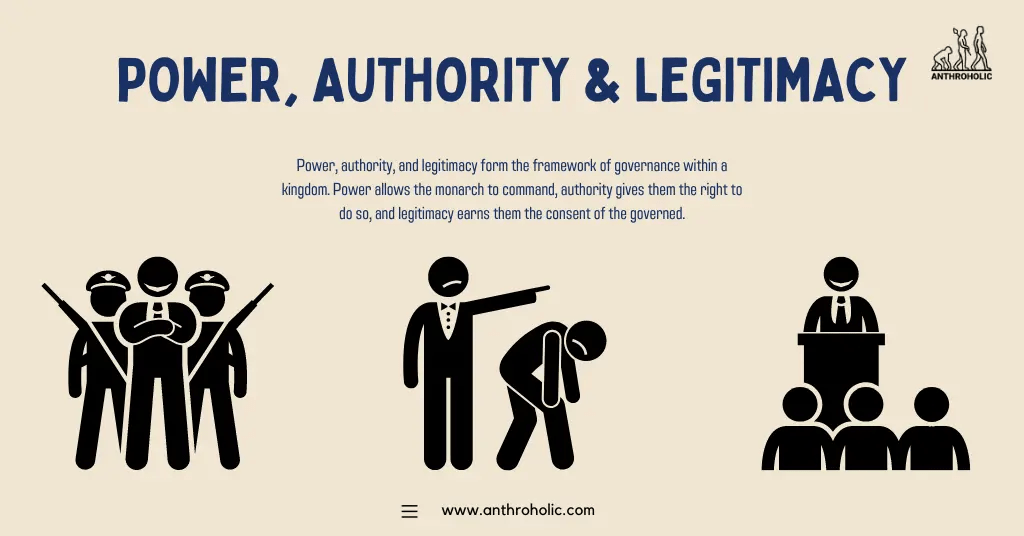
- Harm is reframed as help—surveillance becomes “safety,” austerity becomes “efficiency,” philanthropy becomes “justice.”
- Institutions use branding, architecture, and tone to signal neutrality while enforcing hierarchy.
Institutional Branding
- Minimalist logos and marble buildings: Signal neutrality, tradition, and trust—while masking histories of extraction, exclusion, or surveillance.
- Professional tone and passive voice: “We strive to improve outcomes” instead of “We displaced families for profit.”
- Mission statements as shields: “Committed to equity” becomes a tagline, not a practice.
Legitimacy is performed through design—not earned through accountability.
Philanthropy as Reputation Laundering
- Foundations funded by harm: Oil, tech, or finance billionaires create charitable arms to soften public image.
- Impact theater: Grants, awards, and “changemaker” spotlights that elevate elite-friendly narratives while ignoring grassroots labor.
- Selective storytelling: Highlighting success cases while erasing systemic critique.
Sanitized legitimacy turns harm into heroism.
Knowledge Gatekeeping
- Academic formatting: Citations, credentials, and peer review used to exclude lived experience and community wisdom.
- Neutrality myths: Pretending institutions are apolitical while they uphold elite interests.
- Thought leadership circuits: Panels, fellowships, and conferences that reward polish over truth.
Legitimacy is coded into who gets to speak, publish, and be funded.
Diversity as Decoration
- Representation without redistribution: Hiring marginalized faces while keeping power structures intact.
- Inclusion statements with no teeth: “We value diverse perspectives” becomes a ritual, not a redesign.
- Cultural appropriation as strategy: Borrowing symbols, language, or aesthetics from oppressed communities to signal progressiveness.
Sanitized legitimacy uses visibility to distract from accountability.
Examples of Sanitized Legitimacy
- British colonial “civilizing mission” Empire framed as benevolent uplift, masking exploitation and violence (Hilaris Publishing), (SRL.)
- U.S. philanthropy from oil and finance barons Rockefeller and Carnegie foundations softened reputations built on labor suppression and monopolies (historyrise.com.)
- Authoritarian elections Regimes like Russia or Venezuela hold elections to simulate legitimacy while suppressing dissent (Oxford Academic.)
- Apartheid South Africa’s “homelands” Framed as self-governance, these were tools of racial segregation and control.
- U.S. prison labor programs Marketed as rehabilitation, they exploit incarcerated people for corporate profit.
- Greenwashing by oil companies BP’s “Beyond Petroleum” campaign rebranded extractive practices as eco-conscious innovation.
- Electoral autocracies Authoritarian regimes simulate democratic procedures to claim legitimacy (Oxford Academic).
- Colonial “civilizing missions” Framed violent expansion as moral uplift—masking harm with virtue (Hilaris Publishing SRL).
- Corporate greenwashing Fossil fuel companies rebrand as eco-conscious while continuing extraction (Oxford Academic).
Sources: Hilaris Publishing SRL, historyrise.com, Oxford Academic
3. Gatekeeping Through Design
Access is controlled by credentials, proximity, and performance—not by care or truth. Innovation is monopolized—new ideas are absorbed, patented, or buried if they threaten elite control.
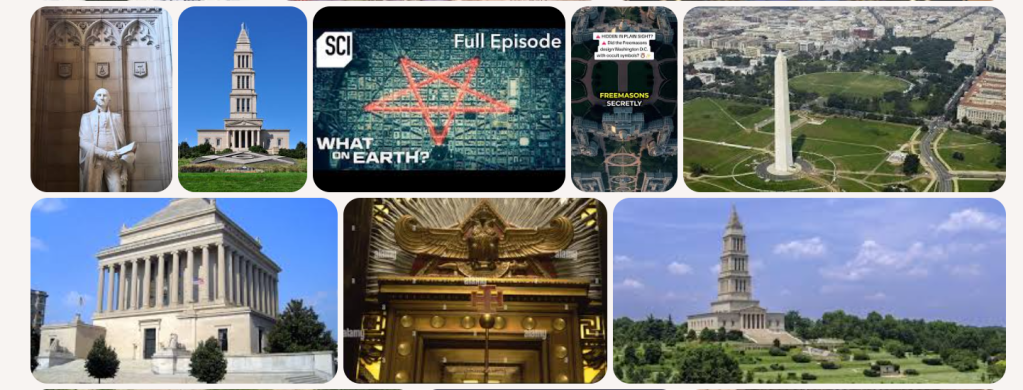
Architectural Control
- Physical spaces: Marble lobbies, security checkpoints, and inaccessible layouts signal who is welcome—and who is not.
- Digital platforms: Interfaces that require credentials, jargon, or insider knowledge to navigate.
- Spatial symbolism: Where the doors are, who sits at the table, what’s behind glass—these are design choices that encode hierarchy.
Design becomes a silent bouncer—deciding who gets to enter, speak, or stay.
Process as Barrier
- Application rituals: Grants, fellowships, and jobs that require elite formatting, tone, and references.
- Feedback loops: Systems that ask for input but only reward polished, professionalized responses.
- Credential worship: Valuing degrees, titles, or affiliations over lived experience or community wisdom.
Gatekeeping is often disguised as “rigor,” “quality,” or “fit.”
Aesthetic Policing
- Neutral branding: Logos, fonts, and color palettes that signal “seriousness” while erasing cultural specificity.
- Tone enforcement: Requiring calm, detached, or “civil” language to be heard—especially from those naming harm.
- Design elitism: Favoring sleek, minimalist visuals over textured, symbolic, or community-rooted design.
Gatekeeping through aesthetics tells you: “You don’t belong unless you look like us.”
Tool Access and Tech Literacy
- Software monopolies: Movement builders forced to use elite tools (Adobe, Notion, Slack) that require money, training, or insider access.
- Platform bias: Algorithms that reward certain formats, tones, or aesthetics—silencing others.
- Design complexity: Making tools so intricate that only trained professionals can use them.
Gatekeeping through tech makes liberation dependent on elite fluency.
Examples of Gatekeeping
- Academic publishing Peer review and citation norms exclude non-elite voices and community knowledge (Examples).
- Museum architecture Grand facades and curated exhibits signal elite legitimacy while erasing indigenous or radical histories (Helpful Professor).
- Social media algorithms Platforms prioritize elite-friendly aesthetics and tone, suppressing grief, rage, or complexity (Number Analytics).
- Harvard’s admissions architecture Legacy preferences and elite-coded applications gatekeep access to power under the guise of meritocracy.
- Colonial museum curation Artifacts from colonized cultures are displayed without context, reinforcing Western dominance in knowledge production.
- Tech platform UX Interfaces like LinkedIn or grant portals favor elite formatting, tone, and fluency—excluding grassroots voices.
- Media gatekeeping Editors, algorithms, and influencers filter what stories reach the public—shaping discourse (FasterCapital), (Number Analytics).
- Academic publishing Peer review and citation norms exclude non-elite voices and lived experience (Examples).
- Social media algorithms Platforms curate feeds to reinforce dominant narratives and suppress dissent (FasterCapital).
Sources: Examples, Helpful Professor, Number Analytics
4. Narrative Engineering
History is rewritten to center elite benevolence. Media cycles are curated to distract from structural violence. “Thought leadership” is used to shape what’s thinkable, speakable, and fundable.
History as Curation
- Selective memory: Celebrating sanitized versions of movements, leaders, or events while erasing radical roots, dissent, or complexity.
- Mythologizing harm: Framing colonization, extraction, or surveillance as “progress,” “development,” or “security.”
- Institutional storytelling: Museums, textbooks, and archives that elevate elite narratives while silencing community truths.
Narrative engineering turns history into a brand.
Voice Control
- Platform bias: Algorithms that amplify elite-friendly voices and aesthetics while suppressing dissent, grief, or rage.
- Gatekeeping of legitimacy: Only certain tones, formats, or credentials are considered “credible” or “professional.”
- Token amplification: Elevating marginalized voices only when they align with elite agendas or aesthetics.
Narrative engineering decides who gets to be heard—and how.
Story as Strategy
- Hero’s journey framing: Movements are reduced to individual saviors, erasing collective labor and interdependence.
- Redemption arcs for elites: Harm-doers are rebranded as “evolving,” “learning,” or “innovating”—without accountability.
- Crisis storytelling: Constant urgency that keeps people reactive, exhausted, and dependent on elite solutions.
Narrative engineering shapes what feels possible—and what feels inevitable.
Emotional Design
- Manipulating affect: Using fear, shame, or aspiration to guide behavior—especially in media, advertising, and philanthropy.
- Flattening grief and joy: Emotional truth is edited out unless it serves elite optics.
- Spectacle over substance: Prioritizing visibility, virality, and aesthetics over depth, care, or transformation.
Narrative engineering turns emotion into a tool—not a truth.
Examples of Narrative Engineering
- Thanksgiving myth U.S. education system whitewashed settler violence, framing colonization as peaceful exchange (Wikis at Evergreen).
- Vietnam War memory Textbooks often omit U.S. war crimes and soldier resistance, sanitizing imperial violence (Wikis at Evergreen).
- Cold War propaganda Both U.S. and USSR engineered narratives of moral superiority to justify global interventions (Yale University Press).
- Manifest Destiny (U.S.) A myth of divine expansion justified genocide, land theft, and settler colonialism.
- Olympic Games coverage Media often erases displacement, surveillance, and labor exploitation behind the spectacle of unity and excellence.
- Corporate DEI storytelling Companies highlight diversity hires while ignoring systemic wage gaps, harassment, or lack of redistribution.
- Edward Bernays & PR Engineered public consent using psychology and media—framed elites as benevolent guides (The MIT Press Reader).
- False narratives in U.S.–China relations Both nations weaponize ideology and fear to justify conflict (Yale University Press.)
- Social engineering in the Progressive Era Elites used media and policy to reshape public identity and suppress autonomy (The Libertarian Institute).
Sources: Wikis at Evergreen, Yale University Press
5. Emotional Manipulation

Fear, shame, and aspiration are activated to keep people compliant. Joy and grief are suppressed unless they serve elite narratives. Belonging is offered conditionally—only if you don’t disrupt the architecture.
Fear as Control
- Scarcity narratives: “There’s not enough”—used to justify austerity, competition, and hoarding.
- Crisis cycles: Constant emergencies that keep people reactive, distracted, and unable to organize.
- Surveillance as safety: Framing control as protection—especially in schools, borders, and public spaces.
Fear shrinks possibility. It makes obedience feel like survival.
Shame as Silencing
- Respectability politics: Teaching marginalized people to tone down grief, rage, or truth to be “taken seriously.”
- Tone policing: Dismissing emotional expression as “unprofessional,” “aggressive,” or “unproductive.”
- Internalized blame: Making individuals feel responsible for systemic harm—poverty, burnout, or exclusion.
Shame isolates. It makes people doubt their own truth.
Aspiration as Distraction
- Elite aesthetics: Selling luxury, minimalism, or “clean design” as symbols of success and legitimacy.
- Influencer culture: Elevating curated lives as models to chase—while hiding labor, lineage, or harm.
- Success metrics: Visibility, virality, and funding become proxies for impact—even when they erase care.
Aspiration redirects energy from collective liberation to personal branding.
Conditional Belonging
- Performative inclusion: “You’re welcome here—as long as you don’t disrupt the architecture.”
- Ally theater: Support that disappears when accountability is needed.
- Emotional labor extraction: Expecting marginalized people to educate, soothe, or perform resilience without reciprocity.
Belonging becomes a transaction—not a truth
Examples of Emotional Manipulation
- Hitler’s speeches Used fear, shame, and national pride to mobilize mass consent and suppress dissent (jokersan.com).
- U.S. political ads (e.g., Daisy ad) Emotional imagery used to sway voters through fear of nuclear war (jokersan.com).
- Trump’s “foreign virus” framing Leveraged fear and xenophobia to define in-group vs. out-group during COVID-19 (Psychology Today).
- British Empire’s “white man’s burden” Framed colonization as a moral duty, weaponizing guilt and paternalism.
- Post-9/11 patriotism Fear and grief were used to justify surveillance, war, and xenophobia.
- Tech startup culture Aspiration and hustle are glorified to mask burnout, precarity, and exploitation.
- Napoleon’s charisma and myth-making Cultivated emotional loyalty through spectacle, symbolism, and grandiosity
Sources: jokersan.com, Psychology Today, Hilaris Publishing SRL, Oxford Academic, FasterCapital, Number Analytics, Examples, Oxford Academic, The MIT Press Reader, firstmonday.org, The MIT Press Reader, The Libertarian Institute, Yale University Press.
6. Technological Standardization

- Elites coordinate to set global tech norms—especially in AI, cybersecurity, and digital ID systems.
- These standards often favor large players, creating barriers for grassroots innovation or sovereign alternatives.
- Dual-use tech (civilian + military) is normalized, embedding surveillance into everyday life.
Standardization becomes a gate disguised as progress.
What it is
Elites shape the rules of technology—deciding what gets built, who can use it, and how it behaves. These standards often favor large corporations, military interests, or surveillance states.
How it works
- Global protocols (e.g., biometric ID systems, 5G infrastructure) are set by elite consortia with little public input.
- “Interoperability” becomes a Trojan horse—forcing grassroots tools to conform to elite platforms.
- Dual-use tech (civilian + military) is normalized—AI, drones, and facial recognition are embedded into daily life.
Emotional impact:
- Confusion: “I don’t understand this tech, so I must not belong.”
- Dependency: “I need their tools to survive.”
- Disempowerment: “I can’t build alternatives.”
Standardization becomes a gate disguised as progress
7. Economic Restructuring

- Capital is redirected from traditional industries to elite-controlled sectors like fintech, green tech, and AI.
- Digital currencies and payment platforms are designed to increase surveillance and reduce autonomy.
- “Green” investments often mask land grabs, labor exploitation, or extractive mining.
Restructuring is framed as innovation—but often deepens inequality.
What it is
Elites shift capital flows to new sectors—often under the guise of innovation or sustainability—while deepening extraction and inequality.
How it works
- Fintech and AI attract massive investment, sidelining community-rooted economies.
- Green capitalism rebrands land grabs and rare earth mining as climate solutions.
- Digital currencies centralize control, reduce cash autonomy, and increase surveillance.
Emotional impact
- Urgency: “If I don’t pivot, I’ll be left behind.”
- Shame: “My work isn’t scalable or fundable.”
- Grief: “My community’s economy is being erased.”
Restructuring is framed as innovation—but often deepens inequality.
8. Geopolitical Realignment

New alliances and institutions are formed outside democratic frameworks (e.g., trade blocs, security pacts). Decisions are made rapidly, without public debate or consent. These structures often bypass national accountability and concentrate power transnationally. Realignment creates shadow governance—unseen, unvoted, unchecked.
What it is
Elites form new alliances, trade blocs, and institutions that bypass democratic processes—reshaping global power without public consent.
How it works
- Security pacts and trade agreements are negotiated in secrecy, often privileging elite interests.
- Transnational governance (e.g., WTO, IMF, BRICS) concentrates power in unelected bodies.
- Rapid realignment creates instability—used to justify surveillance, militarization, or austerity.
Emotional impact
- Disorientation: “Who’s making these decisions?”
- Fear: “Are we safe?”
- Helplessness: “I have no say in this.”
Realignment creates shadow governance—unseen, unvoted, unchecked.
9. Information Control

- Media narratives are coordinated to define “acceptable” discourse and suppress dissent.
- “Trusted sources” are curated by elite networks, while grassroots voices are labeled misinformation.
- Emotional tone is engineered—grief, rage, or complexity are flattened to maintain control.
Control isn’t just about censorship—it’s about shaping what feels true.
What it is
- Elites curate what stories are told, who gets to tell them, and how they’re framed—shaping public imagination and emotional tone.
How it works
- Media consolidation ensures elite-friendly narratives dominate.
- Algorithmic bias suppresses dissent, grief, or complexity.
- “Trusted sources” are curated to exclude grassroots or indigenous knowledge.
Emotional impact
- Confusion: “I don’t know what’s true.”
- Isolation: “My story isn’t visible.”
- Exhaustion: “I can’t keep up.”
Control isn’t just about censorship—it’s about shaping what feels true.
10. Expertocracy

- Power is concentrated in “experts” who are credentialed by elite institutions.
- Lived experience, indigenous knowledge, and community wisdom are dismissed as anecdotal.
- Decision-making becomes technocratic—opaque, inaccessible, and emotionally detached.
Expertise becomes a shield against accountability.
What it is
Power is concentrated in credentialed “experts” from elite institutions—excluding lived experience, community wisdom, and emotional truth.
How it works:
- Technocratic governance replaces relational decision-making.
- Policy design becomes emotionally detached, inaccessible, and opaque.
- “Evidence-based” frameworks dismiss indigenous, spiritual, or symbolic knowledge.
Emotional impact
- Insecurity: “I’m not qualified to speak.”
- Silence: “My truth isn’t valid.”
- Alienation: “This system wasn’t built for me.”
Expertise becomes a shield against accountability.
Sources:
indepnews.org, Global Power Elite: Patterns of Influence and Control,
Helpful Professor, Power Elite Theory: Definition and Examples,
easysociology.com, Understanding The Power Elite – Easy Sociology
Make a one-time donation
Make a monthly donation
Make a yearly donation
Choose an amount
Or enter a custom amount
Your contribution is appreciated.
Your contribution is appreciated.
Your contribution is appreciated.
DonateDonate monthlyDonate yearly- How do laws, algorithms, and data infrastructures encode inequality?
- How do financial flows reinforce elite influence?
- Structural Definition: Usefulness as Economic Utility
- Why do we “spell”?
- Myths, narratives and the labor of consent
- How the Elite Maintain Control
- 10 Elite Patterns Worth Naming
 The Non-Traditional Student
Leave a comment